
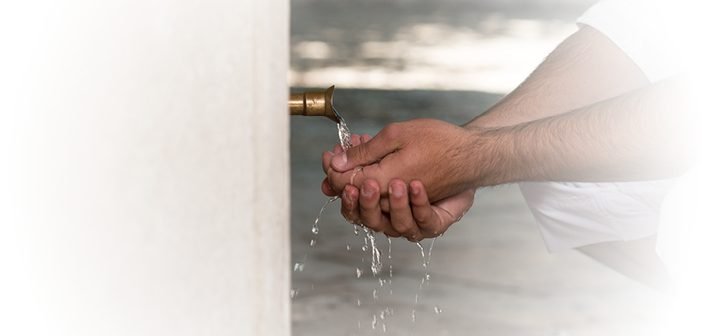
Cleanliness in Islam is more than a ritual; it is a holistic approach that nurtures both body and soul. Islam emphasizes practical hygiene and spiritual purity, guiding Muslims to maintain cleanliness in every aspect of life, from personal care to moral conduct.
The Importance of Cleanliness in Islam
Cleanliness is so central in Islam that the Prophet Muhammad (peace be upon him) said, “Cleanliness is half of faith” (Sahih Muslim, Abu Malik Ash’ari). This highlights that purity is not just a physical requirement but a spiritual obligation. Maintaining cleanliness promotes health, prevents illness, and fosters respect within the community.
Even small practices, such as using a miswak for oral hygiene, were emphasized by the Prophet. These habits improve physical well-being while also offering spiritual benefits, helping believers approach prayer and worship in a state of purity.
The Basics: Taharah in Islam
Taharah is the foundational concept of cleanliness in Islam, representing both physical and ritual purity. It primarily involves:
-
Wudu (Ablution): Performed multiple times daily before prayers, Wudu cleanses hands, mouth, nose, face, arms, head, and feet.
-
Ghusl (Ritual Bath): Required after sexual activity, menstruation, childbirth, or other states of major impurity. The Prophet instructed Muslims to perform ghusl at least once every seven days (Sahih Al-Bukhari, Abu Huraira).
These practices ensure believers are in a pure state for worship and help cultivate a routine of self-discipline and mindfulness.
Different Types of Cleanliness
Islam recognizes multiple dimensions of cleanliness beyond physical hygiene:
-
Physical Cleanliness: Includes bathing, trimming nails, brushing teeth, and wearing clean clothes. Regular attention to the body and environment prevents disease and promotes overall well-being.
-
Ritual Cleanliness: Encompasses Wudu, Ghusl, and purification for prayers and religious duties. It ensures believers are spiritually prepared to connect with Allah.
-
Spiritual Cleanliness: Focuses on purifying intentions and actions. Avoiding sins, controlling desires, and seeking Allah’s pleasure help cleanse the heart and strengthen moral character.
-
Moral Cleanliness: Involves ethical behavior, such as avoiding lying, backbiting, cheating, and causing harm to others. Prophet Muhammad (peace be upon him) said, “Whoever removes a harmful thing from the path, good deeds will be recorded for him” (Sahih Bukhari).
Quranic Emphasis on Purity
The Quran frequently highlights cleanliness and purity:
-
“Indeed, Allah loves those who purify themselves” (Surah Al-Baqarah, 2:222)
-
“O you who have believed, when you rise to [offer your] prayer, wash your faces and your forearms to the elbows, and wipe over your heads, and wash your feet to the ankles…” (Surah Al-Ma’idah, 5:6)
-
“We have sent among you a messenger… who purifies you and teaches you the Book and wisdom” (Surah Al-Baqarah, 2:151)
These verses show that both physical and spiritual purification are integral to Islam. Water, ablution, and ethical conduct all play a role in achieving this purity.
Why Cleanliness Matters Today
Cleanliness in Islam is rooted in logic, science, and divine guidance. Regular hygiene protects physical health, while moral and spiritual cleanliness nurtures mental peace and social harmony. Following these principles helps believers maintain balance, strengthen decision-making, and live responsibly within their communities.
By adhering to the teachings of Islam, Muslims ensure that they are not only physically clean but spiritually and morally refined. As the Prophet said, cleanliness is half of faith—without it, one cannot fully uphold their responsibilities as a Muslim.